

Dilated vs. Optos Retinal Imaging: Why Miami Patients Choose Digital Retinal Scanning During Medical Eye Exams
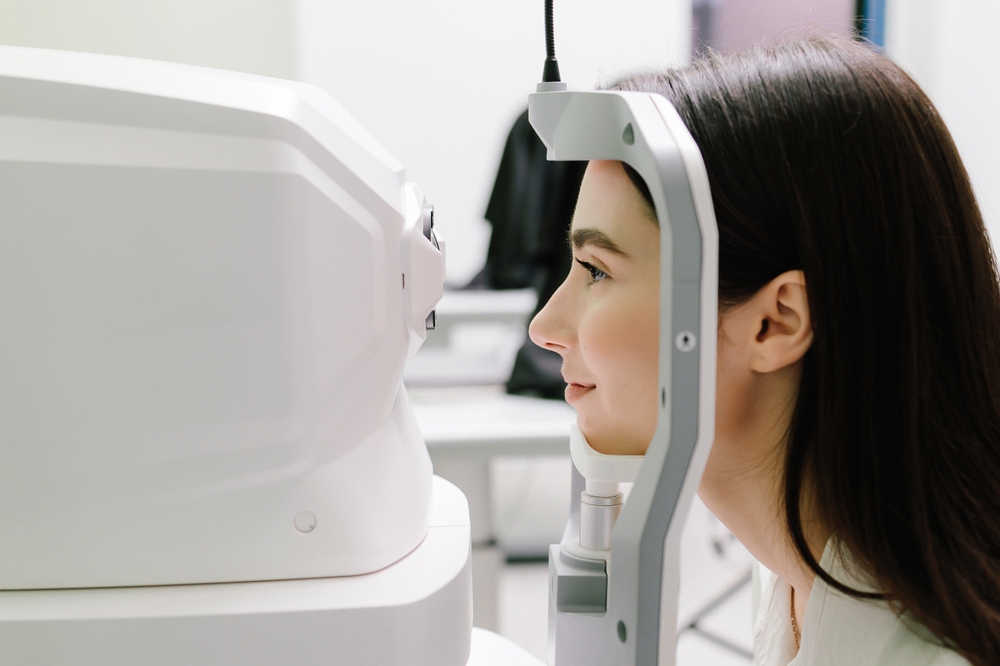
A medical eye exam looks beyond your prescription to evaluate the health of the structures inside your eyes. At Coral Eyes in Miami, retinal evaluation may include traditional dilation, Optos digital retinal imaging, or sometimes both depending on what we need to examine. Understanding how these approaches differ can help you know what to expect during your next eye exam.
What Happens During a Dilated Eye Exam?
During dilation, eye drops are used to temporarily enlarge the pupils. This allows us to look through the pupil and examine the retina, optic nerve, macula, blood vessels, and other internal structures.
Dilation can be especially valuable when we need a detailed view of a particular area or when symptoms or medical history suggest that a closer examination is necessary. The effects of the drops can temporarily cause light sensitivity and blurred near vision, which may last for several hours.
How Optos Digital Retinal Imaging Works
Optos uses ultra-widefield retinal imaging to capture a detailed digital image of the retina. The technology can capture up to 200 degrees of the retina in a single image, giving us a broad view that includes peripheral areas that may be difficult to document with conventional retinal photography.
For many Miami patients, Optos retinal imaging offers several practical benefits:
• Quick, non-invasive image capture
• No dilating drops required in many routine situations
• Detailed views of the central and peripheral retina
• Images that can be reviewed with you during your visit
• A digital record that helps us compare retinal changes over time
These images can help us identify or monitor suspicious retinal changes associated with conditions such as diabetic eye disease, macular degeneration, retinal tears, and other ocular health concerns.
Is Optos Better Than Dilation?
Optos and dilation provide different types of information, so one does not completely replace the other in every situation. Optos retinal imaging gives us a wide, permanent digital view of the retina and can make retinal screening more convenient. Dilation, however, allows us to directly examine the inside of the eye and view specific structures from different angles.
The right approach depends on your eye health, symptoms, medical history, and what we find during your medical eye exam.
When We May Recommend Both
There are situations when we may recommend Optos imaging along with dilation. For example, if an Optos image reveals an area that requires closer evaluation, dilation may allow us to examine that finding more thoroughly.
We may also recommend both for patients with certain medical conditions, new flashes or floaters, unexplained vision changes, a history of retinal problems, or other risk factors. Using both approaches when appropriate gives us the benefits of a detailed digital record while also allowing for a comprehensive direct examination of the retina.
Make Retinal Health Part of Your Miami Eye Exam
If it is time for a medical eye exam, schedule your appointment with Coral Eyes to learn whether Optos retinal imaging, dilation, or a combination of both is appropriate for your eyes. Visit our office in Miami, Florida, call (786) 244-3900, or text (305) 707-7754 to get started today.


© 2026 Coral Eyes Optical. All Rights Reserved. Accessibility Statement | Privacy Policy | Sitemap
Powered by:
